The vision of decolonization articulated by the Prime Minister represents a comprehensive

Dr. Akanksha Choudhary
Assistant Professor
IIT Jodhpur
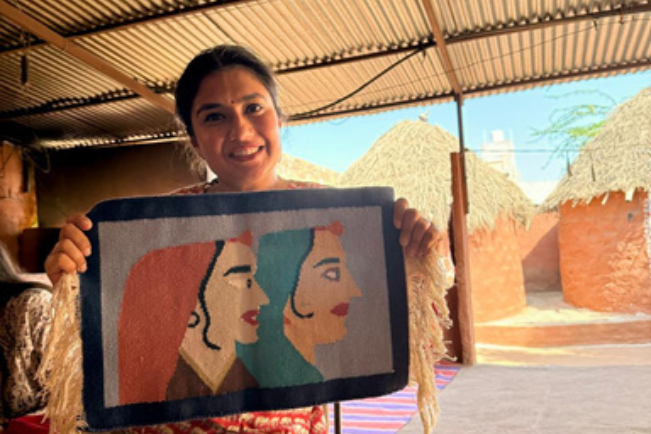
India’s handicrafts are not merely economic activities, they embody centuries
of cultural knowledge, social identity, and community life. From intricate
embroidery and leather work to metal enameling and textile traditions, crafts
function as living repositories of heritage passed down through generations. In
the broader vision of Viksit Bharat and Atmanirbhar India, preserving and
revitalizing traditional arts is central to building a self-reliant and inclusive
economy. The Indian handicrafts sector, valued at over US$ 4.2 billion in 2023,
has shown strong growth, with exports rising significantly over the past decade.
Notably, women constitute more than 64 per cent of India’s artisan workforce,
underscoring the sector’s importance for gender-inclusive development and household-level economic security
The Thar Desert of Rajasthan, one of the most arid yet densely populated deserts in the world, presents a
unique context where crafts are not only cultural expressions but also essential livelihood strategies. Given
the region’s harsh climate and limited agricultural opportunities, traditional occupations such as appliqué,
meenakari, leather jutti-making, tie-and-dye (bandhani), and horn and bone craft provide year-round income
to artisan households. Reflecting this dependence, nearly 60 per cent of Rajasthan’s registered artisans are
concentrated in the Thar region. However, despite a rich skill base, artisans face persistent challenges
including rising input costs, weak market linkages, limited access to credit, lack of digital skills, and
competition from low-cost machine-made imitations. These constraints have reduced earning potential and
weakened incentives for younger generations to continue traditional occupations, pushing many towards
alternative livelihoods.
Against this backdrop, research examines patterns of intergenerational skill transmission among artisan
families across five districts of the Thar region-Bikaner, Barmer, Jalore, Jodhpur, and Nagaur. Using a
mixed-methods research design, the study combines structured household surveys covering three generations
with qualitative methods such as in-depth interviews, focus group discussions, participant observation, and
case studies. The research explores why some families sustain craft traditions while others experience
discontinuity, with particular attention to the roles of education, technology, market conditions, and public
policy. A key focus is women’s contribution to preserving and transmitting skills, especially in home-based
and informal production systems.
Preliminary insights reveal a clear decline in craft continuation and skill transmission across generations,
particularly among men, while women show comparatively greater resilience in sustaining skills. Although a
majority of artisans report that current earnings meet basic household needs, many remain reluctant to
encourage the next generation to continue in crafts due to uncertain markets and limited growth prospects.
At the same time, a significant proportion of younger respondents express interest in preserving craft
traditions for cultural reasons, indicating latent potential that can be unlocked through better market access,
digital enablement, and institutional support. In this context, initiatives led by the Jodhpur City Knowledge
and Innovation Foundation (JCKIF), including digital platforms, phygital museums, design innovation
workshops, and market exposure, highlight how targeted interventions can bridge the gap between heritage
preservation and sustainable livelihoods. Together, the study positions traditional crafts not as relics of the
past, but as viable economic and cultural assets for the future, provided structural market constraints are
effectively addressed
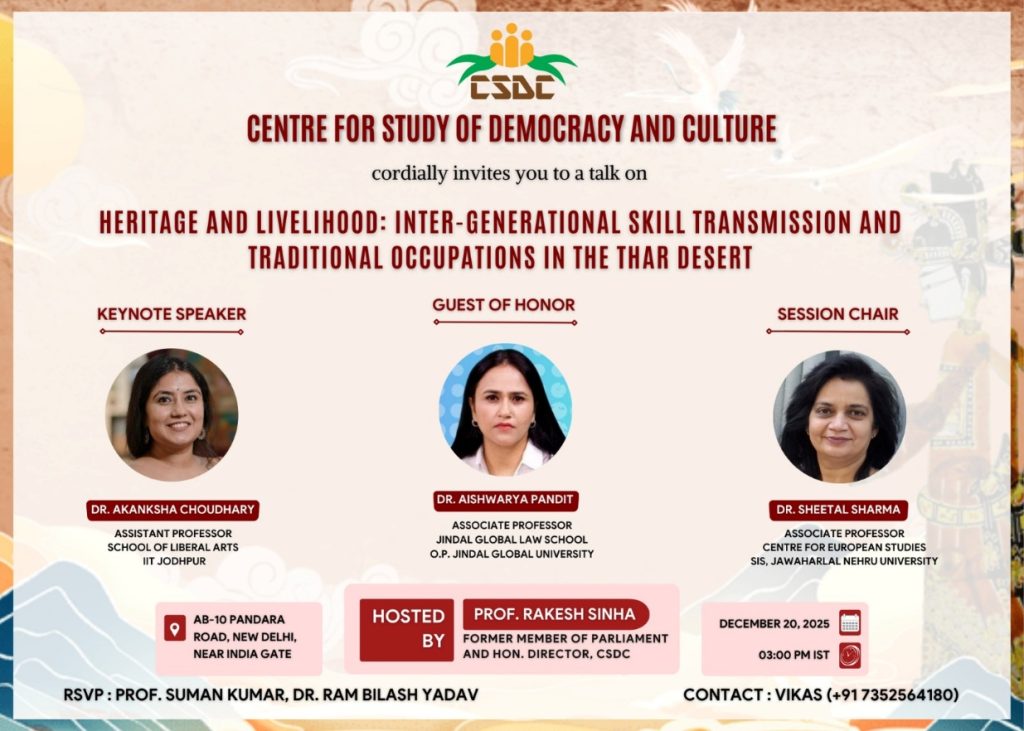
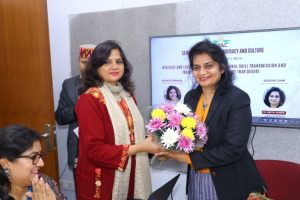
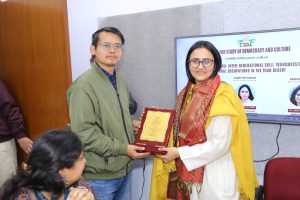
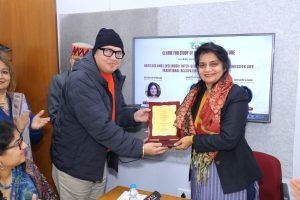
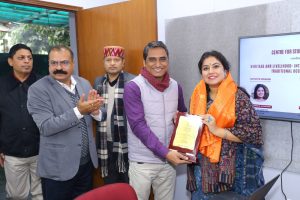
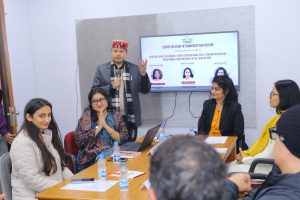
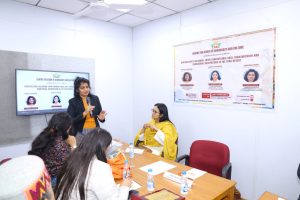
CSDC के तत्वाधान में “HERITAGE AND LIVELIHOOD: INTER-GENERATIONAL SKILL TRANSMISSION & TRADITIONAL OCCUPATIONS IN THE THAR DESERT” विषय पर व्याख्यान का रिपोर्ट:
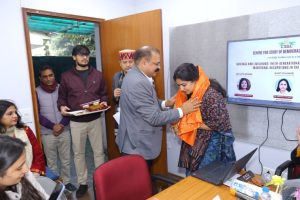
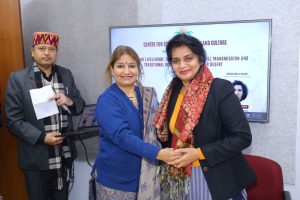
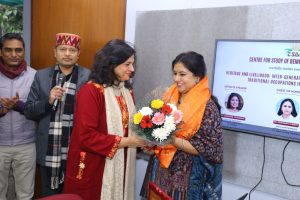
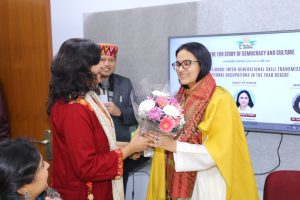
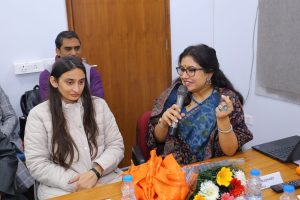
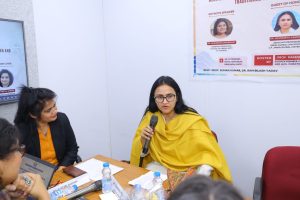
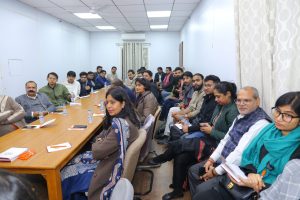
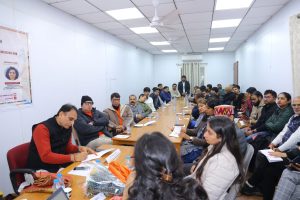
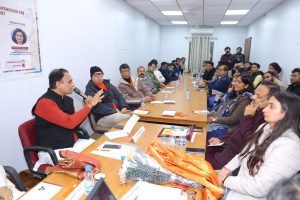
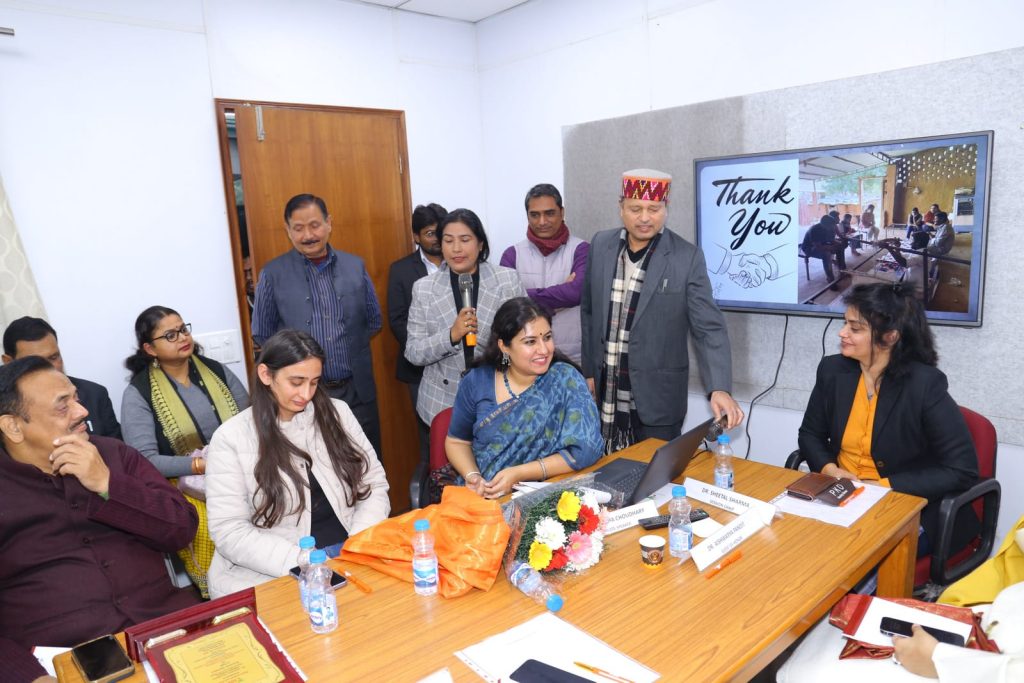
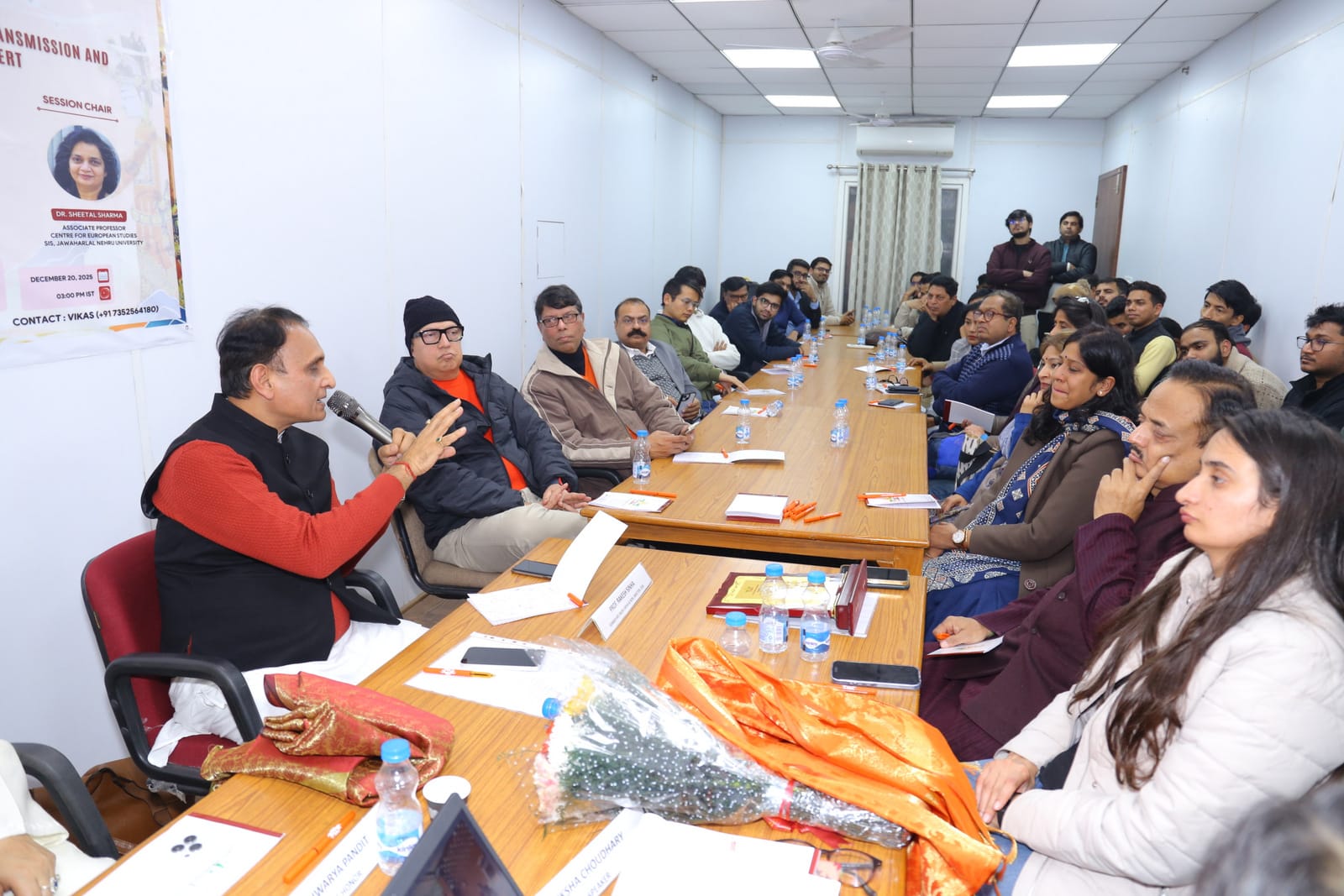
CSDC के तत्वाधान में दिनांक 20.12.2025, दिन शनिवार को “Heritage and Livelihood: Inter-Generational Skill Transmission & Traditional Occupations in the Thar Desert” विषय पर व्याख्यान का आयोजन किया गया | कार्यक्रम की अध्यक्षता जवाहर लाल नेहरू विश्वविद्यालय के यूरोपियन अध्ययन केंद्र में एसोसिएट प्रोफेसर डा. शीतल शर्मा ने की और गेस्ट ऑफ ऑनर के रूप में ओ. पी. जिंदल ग्लोबल लॉ विश्वविद्यालय के विधि विभाग में एसोसिएट प्रोफेसर डा. ऐश्वर्या पंडित ( ‘इंडियन रेनेसान्स: द मोदी डीकैडस’ पुस्तक की लेखिका लिखी) उपस्थित थी |
कार्यक्रम में मुख्य वक्ता के रूप में डॉक्टर आकांक्षा चौधरी, असिस्टेंट प्रोफेसर, आईआईटी जोधपुर ने इस विषय पर मुख्य व्याख्यान दिया |
डॉ आकांक्षा चौधरी ने अपने शोध आधारित व्याख्यान में बताया कि किस तरह राजस्थान के सुदूरपुर ब्लॉक में परंपरागत कलाएं एक पीढ़ीं से दूसरे पीढ़ीं तक नहीं जा पा रही हैं और इस बीच बाजार किस तरह उन्हें प्रभावित कर रहा है | केंद्र और राज्य सरकारों की तरफ से ऐसे हस्तशिल्पकारों को कुछ सहायता योजनाओं के माध्यम से ज़रूर दी जा रही है परंतु यह पर्याप्त नही है | इनके अनुसंधान में इस बात पर बल दिया गया कि समाज में बुनकरों को उचित स्थान, उनके काम और कारीगरी को सम्मान एवं पारिश्रमिक दोनों मिलने की जरूरत है तभी ऐसी बहुत सारी कलाएं विलुप्त होने से बचेंगी |
संस्थान के मानद निदेशक प्रोफेसर राकेश सिन्हा (पूर्व सांसद, राज्यसभा) ने अपने उद्बोधन में इस मुद्दे पर बात करते हुए कहा कि हस्तशिल्पकार अंग्रेजों के समय भी गुलामी की अर्थव्यवस्था से बचे रहेl शहरीकरण की व्यवस्था ने पश्चिमीकरण को अपनाया परंतु ग्रामीण व्यवस्था में आज भी हस्तशिल्प कलाकार है | उन्होंने उदाहरण के तौर पर बिहार के बेगूसराय ज़िले के मंसूरचक के मिट्टी के मूर्ति बनाने वाले कलाकारों का उल्लेख करते हुए कहा की उनका हुनर तभी सम्मान पायेगा जब बाजार के साथ समाज और राज्य अपनी सकरात्मक भूमिका निभायेगा. उनका इशारा भौगोलिक संकेतो (Geographical Indication Tag) की तरफ था जो अंतरराष्ट्रीय स्तर पर पहचान दिलाता है. उन्होंने आगे यह कहते हुए बल दिया कि कलाकार की कला तभी बचेगी जब कलाकार पश्चिम की शोषणकारी व्यवस्थाओं से बचेगा. यह सिर्फ पश्चिम की व्यवस्था नहीं बाजार आधारित शोषण पर आधारित व्यवस्था हैl
कार्यक्रम में दिल्ली और राष्ट्रीय राजधानी क्षेत्र के विभिन्न विश्विद्यालयों और कॉलेजों के प्रोफेसर और शोध छात्र उपस्थित थे| दिल्ली विश्विद्यालय के प्रोफेसर राकेश पांडेय, प्रोफेसर शंभुनाथ दुबे, प्रो हरेंद्र सिंह, विधि विभाग की प्रो आलोक पांडेय, डॉ सोहन, डॉ, कुंदन सहित अनेक शोध छात्रों ने अपने सरोकारो से भरे सवालों के माध्यम से परिचर्चा को सामयिक और ज्ञानवर्धक बनाया|
कार्यक्रम के अंत में IGNOU की प्रोफेसर कौशल पवार नें अतिथियों और श्रोताओं का धन्यवाद ज्ञापन किया| परिचर्चा का संचालन दिल्ली विश्विद्यालय के प्रो सुमन कुमार ने किया और CSDC के तरफ से इस सफ़ल कार्यक्रम को आयोजित करने के लिए दिल्ली विश्वविद्यालय के डॉ राम बिलाश यादव, डॉ मीनू कुमारी, CSDC के ऑफिस सहायक विकाश कुमार और एबी थॉम सुनील सहित सभी के प्रयासों की सराहना की| अंत में चाय और नाश्ते के साथ फिर एक नये विषय पर परिचर्चा आयोजित करने के वादे के साथ यह कार्यक्रम समाप्त हुआ |
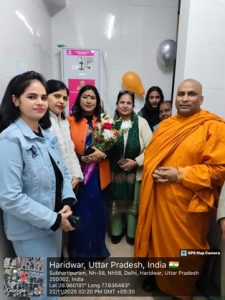
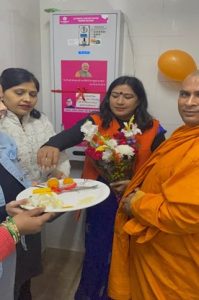
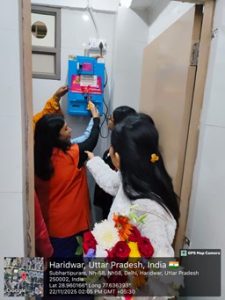
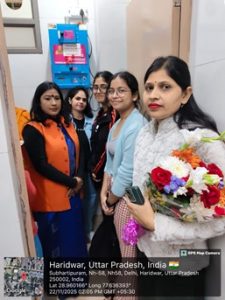
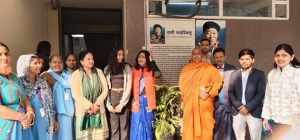
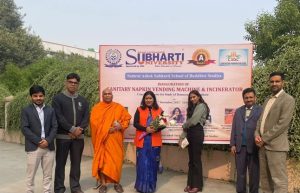
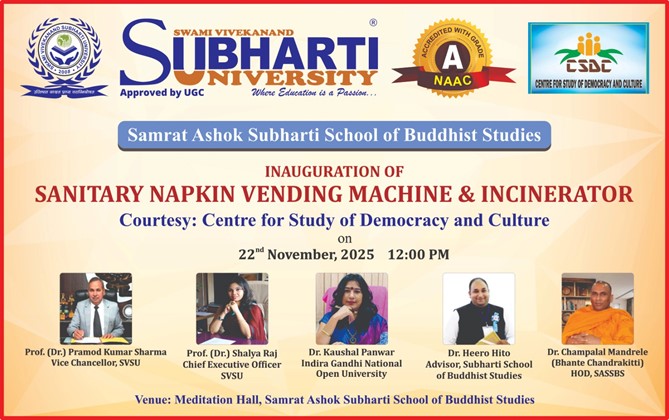
वामी नववेकािंद सुभारती यूनिवनसिटी, मेरठ के RGGH हॉस्टल में नदिांक 22.11.2025 को Centre for the Study of
Democracy and Culture, New Delhi (CSDC) के सौजन्य से सैनिटरी पैड मशीि का लोकापिण नकया गया। कायिक्रम
का उद्घाटि नवनशष्ट अनतनि प्रो. कौशल पंवार जी िे नकया। सुभारती पररवार एवं हॉस्टल प्रशासि िे उिका हानदिक स्वागत एवं
अनभिंदि नकया।
अपिे संबोधि में प्रो. पंवार िे छात्राओं के स्वास्थ्य, स्वच्छता और मानसक धमि संबंधी जागरूकता के महत्व पर महत्वपूणि नवचार
साझा नकए। उन्ोंिे कहा नक सैनिटरी पैड मशीि की उपलब्धता से छात्राओं को स्वच्छता संबंधी आवश्यक सुनवधाएँ सुलभ, सुरनित
और गररमापूणि रूप में प्राप्त होंगी। यह कदम RGGH में मनहला स्वास्थ्य को प्रािनमकता देते हुए छात्राओं के नलए एक सशक्त
और संवेदिशील पहल है।
कायिक्रम में माििीय कुलपनत प्रो. प्रमोद कुमार शमाि जी का सानिध्य रहा और बौद्ध अध्ययि नवभाग के प्रमुख डा. भंते चंद्रकीनति
जी, डा. रीिा कुमारी एवं डा. ज्योनत जी, डा. यशपाल, डा. प्रवीि कुमार, नववेक जी तिा बडी संख्या में छात्राएँ उपस्थित रहीं। सभी
िे इस पहल की प्रशंसा करते हुए इसे छात्र कल्याण के नलए एक महत्वपूणि उपलस्थब्ध बताया।
यह प्रयास आदरणीय प्रधािमंत्री श्री िरेंद्र मोदी जी के उस संकल्प को आगे बढाता है, नजसमें हर माँ, बहि और बेटी तक स्वच्छ
एवं सुलभ सैनिटरी िैपनकि पहुँचािे की बात कही गई है।
The colonization of the Indian mind, discourse, and institutional structures remains a critical dimension in the pursuit of true independence. Since 2014, the Indian state has undertaken notable initiatives to revive India’s traditional knowledge systems and dismantle colonial legacies that continue to echo a mindset of subjugation.
In alignment with this national vision, the Centre for Study of Democracy and Culture (CSDC) has been actively engaged in reviving intellectual debates around Swaraj in Ideas—a concept emphasized by Mahatma Gandhi and Dr Keshav Baliram Hedgewar and also echoed by Indian thinkers seeking an epistemic decolonization. CSDC aims to contribute to this intellectual renaissance by promoting indigenous frameworks and fostering critical engagement with India’s civilizational ethos.
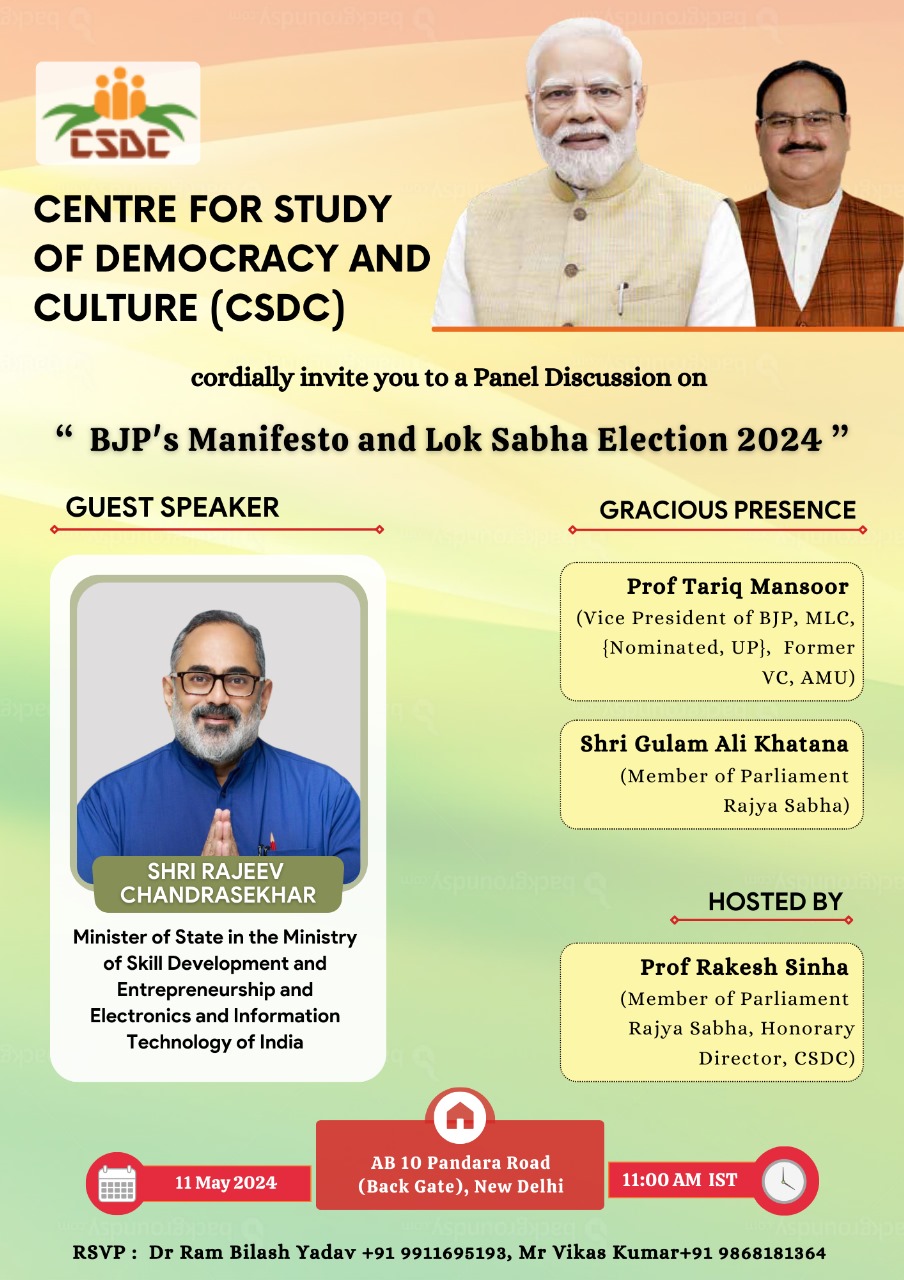
“बीजेपी का घोषणा पत्र और लोकसभा चुनाव – 2024” (BJP’S Manifesto and Lok Sabha Election-2024)
दिनांक: 11/05/2024
सेंटर फॉर स्टडी ऑफ़ डेमोक्रेसी एंड कल्चर (सीएसडीसी) के तत्वावधान में आज दिनांक 11 मई 2024 को “बीजेपी का घोषणा पत्र और लोकसभा चुनाव – 2024” (BJP’S Manifesto and Lok Sabha Election-2024) पर AB-10 पंडारा रोड ,नई दिल्ली के सेमिनार कक्ष में परिचर्चा हुई | परिचर्चा के मुख्य अतिथि माननीय राजीव चंद्रशेखर , भारत सरकार में राज्यमंत्री, स्किल डेवलपमेंट और इंटरप्रेन्योरशिप, इलेक्ट्रॉनिक्स और संचार तकनीकी थे |
परिचर्चा की शुरुआत सीएसडीसी के मानदनिदेशक और राज्यसभा सांसद प्रो. राकेश सिन्हा केऔपचारिक स्वागत भाषण से हुयी जिसमें उन्होंने प्रधानमंत्री नरेन्द्र मोदी के नेतृत्व में किये गये विकास कार्यो को आधार वाक्य के रूप में रखा.
प्रधानमंत्री नरेन्द्र मोदी के नेतृत्व में किये गये विकासकार्य और चुनावीवादे को केंद्र में रखकर माननीय मंत्री राजीव चंद्रशेखर ने अपनी बातरखी | उन्होंने कहा कि भारतीय जनता पार्टी का चुनावी घोषणापत्र ‘संकल्पपत्र’ के रूप में देश की जनता के सामने है जिसे हमसभी ‘मोदीकीगारंटी 2024’ के रूप में जानते हैं| उन्होंने मोदी सरकार द्वारा भारत की सांस्कृतिक पुनरुथान, संस्थाओ के विउपनिवेशिकरण, और नयी शिक्षानीति जैसे उपलब्धियों को गिनाया.
परिचर्चा में श्री गुलाम अली खटाना, राज्यसभा सांसद, जम्मूकश्मीर और प्रो. तारिकमंसूर, पूर्ववाईसचांसलर, अलीगढ़ मुस्लिम विश्विद्यालय, राष्ट्रीय उपाध्यक्ष बीजेपी, विधान परिषद्सदस्य, उत्तर प्रदेश भी विशिष्ठ अतिथि के रूप में उपस्थित थे. श्री गुलाम खटाना ने जम्मूकश्मीर में मोदीसरकार द्वारा किये गए विकासकार्यो, अनुच्छेद- 370 के बाद बदले सामाजिक-राजनितिक हालातो में आये सकारात्मक परिवर्तन को रेखांकित किया. वही श्री तारिक मंसूर ने भारत में मुस्लिम अल्प्सख्यको के लिए किये गए प्रयासों को गिनाया.
परिचर्चा में दिल्ली और देश के प्रमुख विश्विद्यालयो के जैसे जे. एन, यू, दिल्ली विश्विद्यालय, जामिया मिल्लिया इस्लामिया के प्रोफेसर, बुद्धिजीवी, अधिवक्ता, शोधछात्रो और प्रबुद्ध पत्रकारों ने सहभाग कियाऔर मोदीसरकार द्वारा किये गए चुनावीवादे, उनकी उपलब्धि, और दुनिया में भारत की बढ़ती छवि को केंद्र में रखकर सवाल भी पूछे जिसका मुख्य अतिथि ने जवाब दिया.
प्रो. राकेश सिन्हा ने परिचर्चा के बीच में मोदीसरकार द्वारा लागू की गयी नयी शिक्षानीति और राममंदिर के निर्माण के रूप में सास्कृतिक पुनरुथान के रूप में सकारत्मक हस्तक्षेप किया.
कार्यक्रम का संचालन प्रो सुमन कुमार ने किया और अंत में प्रो चंद्रचूड सिंह ने परिचर्चा में आये अतिथियों और बुद्धिजीविओ, सीएसडीसी के कार्यक्रम संयोजक डॉ रामबिलाश यादव, डॉ मीनू कुमारी , विकास कुमार और अन्य सदस्यों का धन्यवाद ज्ञापन किया.

 English
 Arabic


