
Decolonization Literacy Lecture Series I
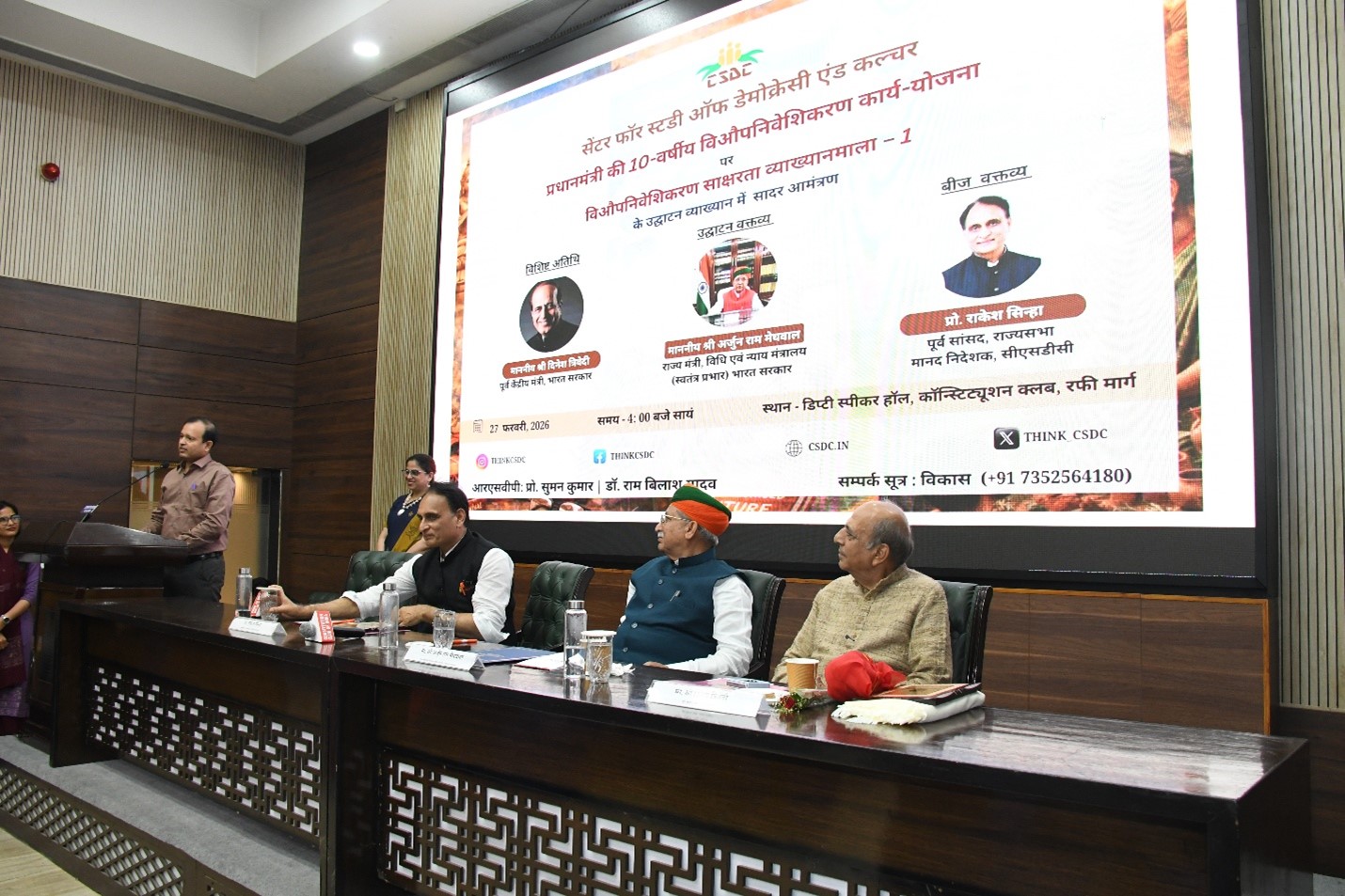
CSDC Hosted Inaugural Lecture on Prime Minister’s 10-Year Decolonization Vision at Constitution club of India, New Delhi on 27Th February 2026
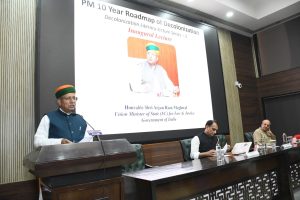
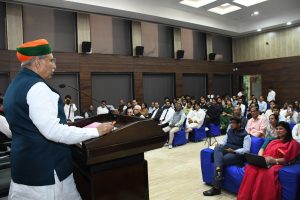
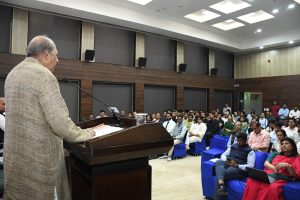
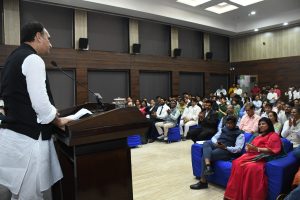
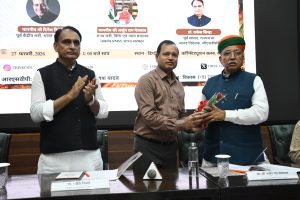
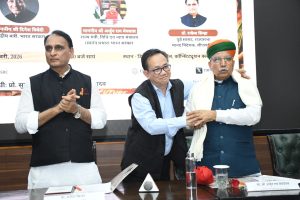
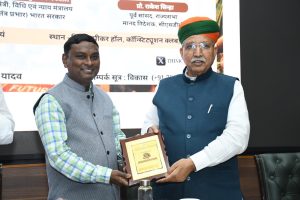
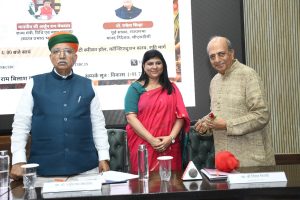
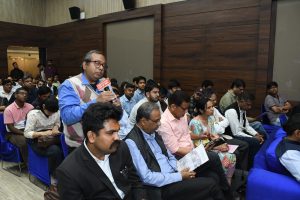
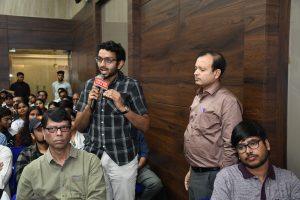
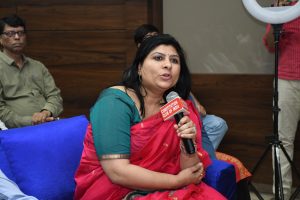
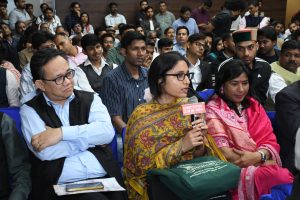
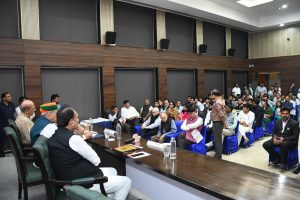
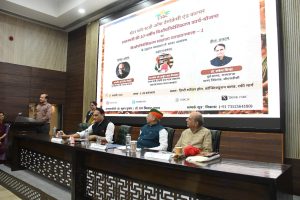
The Centre for Study of Democracy and Culture (CSDC) organized the inaugural lecture of its “Decolonization Literacy Lecture Series – 1” at the Deputy Speaker Hall, Constitution Club. The lecture series is aligned with the Prime Minister’s ten-year vision of decolonization and aims to critically examine India’s intellectual, cultural and institutional transformation.
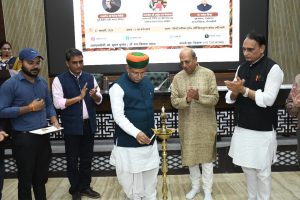
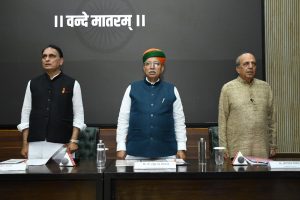
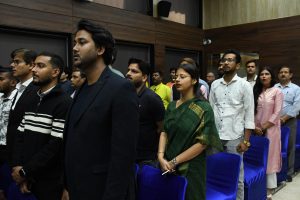
The programme commenced with the traditional lighting of the lamp and rendition of Vande Matram symbolizing cultural continuity and civilizational confidence.
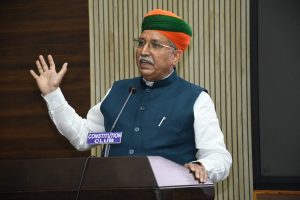
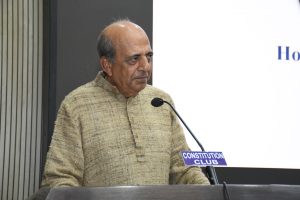
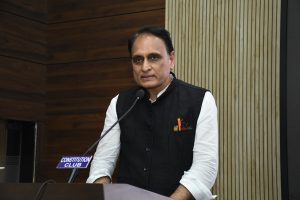
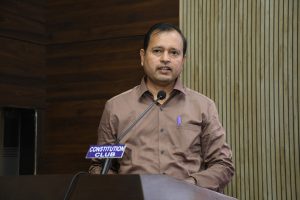
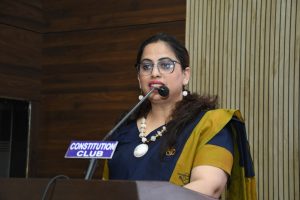
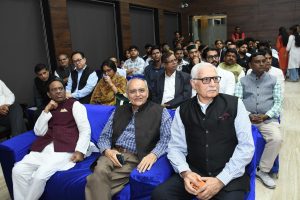
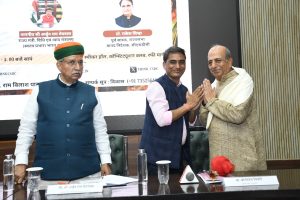
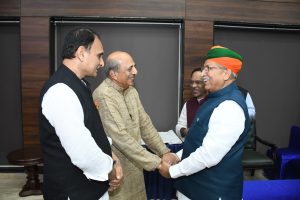
The inaugural lrcture was delivered by Shri Arjun Ram Meghwal, Hon’ble Minister of State (Independent Charge), Ministry of Law and Justice, Government of India. The event was graced by Shri Dinesh Trivedi, Former Union Minister, Government of India, as the Guest of Honour. The keynote address was presented by Prof. Rakesh Sinha, Former Member of Parliament (Rajya Sabha) and Honorary Director, CSDC.
Shri Arjun Ram Meghwal: Decolonization as Legal and Institutional Reform
In his inaugural remarks, Shri Arjun Ram Meghwal emphasized that decolonization must extend beyond symbolism to structural reform. He highlighted that nearly 1,700 obsolete colonial-era laws have been repealed in the past decade, marking a significant shift in India’s legal framework. Referring to the renaming of Rajpath to Kartavya Path and the installation of the Netaji Subhas Chandra Bose statue at India Gate, he stated that reclaiming public spaces is part of restoring historical balance.
He further underlined the importance of replacing colonial criminal codes with the newly enacted Bharatiya Nyaya Sanhita (BNS) and related reforms, noting that true independence requires freedom from colonial legal mindsets. Stressing the idea of “Sevak” in governance, he remarked that bureaucracy must transition from colonial authority to citizen-centric service.
Shri Dinesh Trivedi: Overcoming the Colonial Mindset
Shri Dinesh Trivedi, in his address, described colonialism as not merely political domination but also intellectual and psychological subjugation. He referred to historical instances such as the destruction of knowledge centers like Nalanda University and drew parallels with global examples like the Library of Alexandria to highlight the civilizational impact of knowledge suppression.
He emphasized the need to commemorate national heroes such as Chandrashekhar Azad and to reinterpret Indian history through indigenous scholarship. Citing the contributions of thinkers like Swami Vivekananda and referencing India’s epistemological traditions, he argued that India must reposition itself at the center of knowledge production rather than remain on the periphery of Western narratives.
Prof. Rakesh Sinha: Intellectual Sovereignty and Civilizational Confidence
Delivering the keynote address, Prof. Rakesh Sinha focused on the concept of intellectual sovereignty. He noted that decolonization involves reclaiming narrative authority in education, historiography, and public discourse. Referring to Rabindranath Tagore’s Nobel Prize and C.V. Raman’s critique of overdependence on foreign expertise, he argued that India’s intellectual achievements often received validation abroad before recognition at home.
Prof. Sinha stressed that education reform is central to the decolonization process. He called for curriculum redesign that places Indian civilization, philosophy and scientific contributions at the core. He further observed that colonialism had fostered mental dependency and that dismantling this mindset requires confidence in indigenous knowledge systems.
Across the deliberations, speakers highlighted:
* Repeal of colonial laws and legal restructuring.
* Reclaiming public spaces and renaming colonial symbols.
* Reforming education and curriculum to centers of Indian knowledge traditions.
* Recognizing contributions of Indian scholars and historical figures.
* Transforming bureaucracy into a service-oriented institution.
* Addressing the psychological dimensions of colonial legacy.
The speakers collectively affirmed that political freedom alone does not constitute complete independence; intellectual and cultural emancipation is equally vital. The lecture concluded with a renewed call to advance India’s civilizational renaissance through scholarship, policy reform and public engagement.
The event marked a significant beginning to CSDC’s lecture series, setting the tone for sustained dialogue on decolonization, national identity and knowledge transformation in contemporary India. CSDC plans to hold 101 Lecture Series in this important arena.



 English
 Arabic


